In the first blog, I want to talk about physical pain of pregnancy, evaluation and a form of treatment. For most female, when we ask about the pain during pregnancy or postpartum, they described symptoms that pain distribute in low back, lumbar and pelvic region(Sabino et al., 2008). In the recent research, the pain could be summed up in two aspects: pregnancy-related pelvic girdle pain (PGP) and pregnancy-related low back pain (PLBP). In reality, these conditions are very common in puerpera and also can be the reason for sick leave(Mens et al., 2006). Hence, the pregnancy-related pelvic girdle pain(PGP) and pregnancy-related low back pain(PLBP) would influence daily life of women. Research revealed that in the period of pregnancy, lumbal pain is almost stable while the sense of pelvic pain may increase. Moreover, one-third of pregnancy women suffer from severe problem(Mogren et al., 2007). After delivering baby, the morbidity of low back and pelvic pain(LBPP) is from 5% to 40% in half a year, even after 3 years, about 20% of women with back pain symptoms have consistent symptoms and postpartum pain is also associated with movement-related activities. Furthermore, postpartum back problems have been found not to be a unitary concept. From Vermani ’s research, the universality of pregnancy-related pelvic girdle pain(PGP) and/or pregnancy-related low back pain(PLBP) is around 45% of all pregnant women and 25% of all postpartum women (Vermani et al., 2010). In consideration of different childbirth ways, it does not have enough evidence to support whether caesarean section (CS) affects the symptoms of low back and pelvic pain or not. However, Almeida stated that caesarean section (CS) is the reason of low back pain and pelvic joint pain( Almeida et al., 2002), but this view also need more evidence to support it and update in the near further.
However, pain of pregnancy is often considered by obstetricians as a common phenomenon and regarded as normal condition for post-birth female. They told female patients that there not a particularly effective measure to cope with the common pain problems. Therefore, most of women do not have the desire to consult and seek for help. As research revealed that the treatment for pain of pregnancy is self-management or prescribed by health professionals is unclear, so the existing perspective is that pregnancy-related pelvic girdle pain (PGP) and pregnancy-related low back pain (PLBP) is an expected part after delivery and there is no treatments being offered and available in clinical institutions for most females(Stapleton et al., 2002). As Albert’s research showed in the survery of 314 female patients, around 8.5% women after childbirth still suffer severe pain in the pelvic joint after two years(Albert et al., 2001). As a consequence, like I mention before, pain problems can not relieved automatically without any clinical intervention.
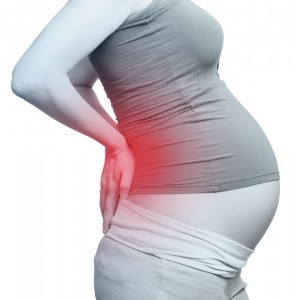
When considering about factors that may result in pregnancy-related pelvic girdle pain (PGP) and pregnancy-related low back pain (PLBP), a research illustrated that body mass index(BMI) and hypermobility are dominant determinants of persistent body pain, the outcome of research showed that increased body weight and hypermobility lead to strain on the joints, ligaments and muscles, therefore , it may impede or delay remission of low back pain and pelvic pain(LBPP) after pregnancy(Mogren et al., 2006). When a women become a mummy, the uterus gradually stretched and the body weight gravity axis changed because of infant birth weight and gestation duration (Shi-Qiong Li et al., 2017). From the research of Foti, during the gestation process, women have changes in the hormonal and biomechanical aspects and reflect in their weight, weight distribution, joint laxity, musculotendinous strength (Foti et al., 2000). There is evidence in the literature that women put on weight in pregnancy is between 9kg and 14 kg and this weight gain is mainly located in the trunk and the lower trunk, in most cases, the body weight increase 0.29kg every week(Opala-Berdzik et al., 2010). Therefore, the abdominal pressure can produce strong pressure on the pelvic floor muscles and trunk region, that always bring a series of pain problems.
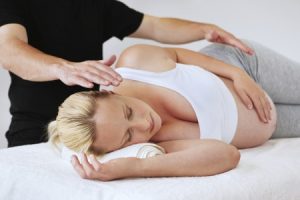
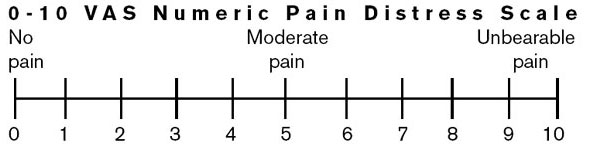
According to Franke et al’s study, osteopathic manipulative treatment (OMT) could bring benefits for pregnant or postpartum women with low back pain(LBP), but result of research may not work in the future, and high-quality randomized controlled trials with robust comparison groups are recommended(Franke et al., 2017). From the Licciardone’s study, it suggested us the osteopathic manipulative treatment(OMT) lasts 15 to 30 minutes, and the techniques consisted a combination of the following manual techniques: myofascial release, strain-counterstrain, muscle energy, soft tissue, high-velocity-low-amplitude thrusts, and cranial-sacral. The osteopathic manipulative treatment(OMT) is a health approach which was aim at physical dysfunction in the low back or adjacent areas. And before applying into practice, practitioners need to evaluate patient’s medical history and physical examination. According to Nilsson-Wikmar’s research, pain could be evaluated with a visual analogue scale(VAS,0-100 mm), and zero as “no pain” , 100 was defined as”the worst imaginable pain”, so when patients described the area of pain and the type of pain sensation to physio, they could mark on a pain drawing(Nilsson-Wikmar et al., 2003). On the one hand, the osteopathic manipulative treatment(OMT) provided by osteopathic manipulative medicine specialist. But more studies with more experienced osteopathic manipulative treatment(OMT) providers and better control of interventions are needed to determine whether osteopathic manipulative treatment(OMT) is beneficial manipulation technique when treat with female patients or whether they may because of placebo effects(Licciardone et al., 2003). On the other hand, stabilising exercises also recommended for pelvic girdle pain during pregnancy, the training started by emphasising activation and control of local deep lumbopelvic muscles, then for the next session, it is designed with dynamic exercise which is focused on more superficial muscles in order to improve mobility, strength, and endurance capacity of low back and pelvic girdle. Also, the outcome of this research illustrated that stabilising exercises would be effective complements to standard treatment for pregnant women with pelvic girdle pain(Elden et al., 2005).
Furthermore, a research showed that for disabling low back pain(LBP) patients, cognitive functional therapy was developed as a comprehensive approach that is related to individual’s feeling about pain, social circumstances and body lifestyle factors and so on. And this new approach is not only a basic rehabilitation therapy, in fact, it integrated with behavioral psychology and neuroscience(O’Sullivan et al., 2018). As far as I am concerned, pregnancy-related low back pain belongs to low back pain, so in the course of clinical treatment, professional physiotherapist should consider mummy’s psychological factors, family aspects and body lifestyle factors as well. As a result, physiotherapist could receive a more complete evaluation before treatment and give a systematic treatment plans for patients.
Overall, I personally believed that before choosing existing treatment options, pregnant patients should consult a professional physio and have a comprehensive evaluation of body, though there are also needed more robust evidence to support treatment when give a rehabilitation plan for pregnant sufferers, it should not be ignored the importance of considering suitable intervention for relieving pain of pregnancy and continuous negative effects, and if being taken seriously by obstetricians and attach great importance to this issue, the confirmation of existing treatment techniques and exploration of more effective measurements are likely to happen.
Thank you very much for reading my first blog talking about chronic pain syndromes, and I would do more research on this problem in my next learning process. In my next blog, I will talk about urinary incontinence for puerpera. If you enjoyed this article, please leave a comment and read more!
 TAKE CARE MUMMY'S HEALTH
4 replies on “Relieve pain of pregnancy!”
This blog has definitely broaden my horizon about the physical pain of pregnancy and osteopathic manipulative treatment~Thanks a lot and wish your future treatment-related research.
赞赞
thank you for your comments, i will update some information in the near future!
赞赞
It’s heartbreaking how back pain is supposed to be considered normal. Thank you so much for highlighting this issue! We need to address this more to the women and physicians that care is available.
赞赞
thank you for your comments, and i will do more research in my near future, if you have any question, please feel free to give your comments!
赞赞