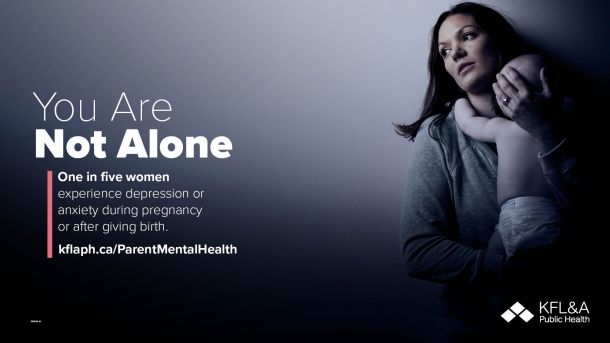
In the last blog, I will discuss about a common mental health disease after childbirth :postpartum depression(PPD) which always affects life of women, children and their family. Some studies found a higher occurrence rate of gastrointestinal symptoms or infant diarrhea among children if their mothers have depressive symptoms (Darcy et al., 2011, Rahman et al., 2004). Another reason for concern is that the risk of negative-infant feeding would be increased and reduce the time of breast feeding because of depressed mothers. As time goes by, their babies would have more frequent hospital visits and emergency room visits(Brummelte S et al., 2016). As a result, if postpartum depression is not being taken seriously, it will lead to serious impact on mummy and their children. As I mention before, delivering a baby is the challenge, but it is also an emotional rush like no other. A research suggested that there are 3 types of postpartum dysphoric mood states: the maternity blues (a fairly common, transient disorder), postpartum affective psychosis (relatively rare), and postpartum depression (as many as 20% of postpartum women may cause mild depression)(Hopkins et al., 1984). Therefore, only postpartum depression need to be concerned and have enough studies for the moment.
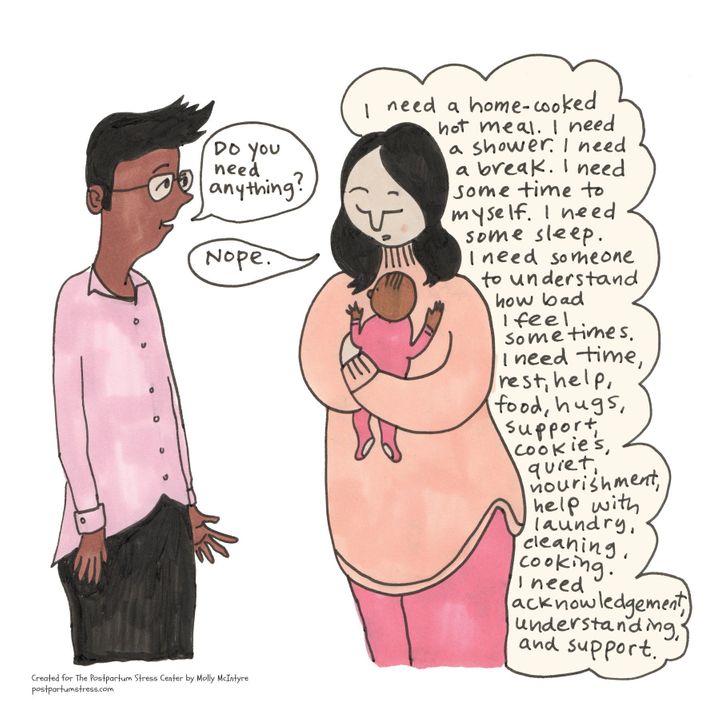
The Diagnostic and Statistical Manual of Mental Disorders, Fourth Edition (DSM-IV), 6 has defined this perspective by introducing the term“with postpartum onset”to distinguish major depressions that after 4 weeks when a mummy deliver a baby(depression et al., 2004). Beck highlighted that about 13% of women suffer from postpartum depression and because the symptom is secret that made it is difficult to early recognize this disease, and the result showed that there are four new indicators of postpartum depression:self-esteem, marital status, socioeconomic status, and unplanned/unwanted pregnancy(Beck et al., 2001). In general, many of risks is included into scales and these instruments could identify some female who have risk of postpartum depression and become the base that healthcare provider could communicate with pregnant sufferers. However, these instruments might over identify some women at risk or miss some women who experience postpartum depression.
Postpartum depression always about women’s psychological factors, in clinical practice, clinical doctors need to use an acceptable,convenient standardized screening instrument such as the Edinburgh Postnatal Depression Scale(EPDS) when they face their female patients. From Harris B’s paper, Edinburgh Postnatal Depression Scale(EPDS) has been confirmed to have specificity of 93% and a sensitivity of 95%(Harris B et al., 1989). In low-risk population screening studies, Appleby found that with the use of the Edinburgh Postnatal Depression Scale, the rates of postpartum depression(Edinburgh Postnatal Depression Scale score >10) ranged from 14% to 21% (Appleby et al., 1997), and patients with great awareness of depressive symptoms may be more likely to seeking for professional help.

Then my aim is to explore existing treatment for postpartum depression, Perfetti J highlighted that mummy’s chronic postpartum depression is associated with delay in language learning and the developement of cognition as well as behavioral difficulties when children go to the school at first. Therefore,this makes it very important that a female with postpartum depression shoud be treated in an appropriate way in order to decrease damage upon children and avoid recurrence of depression symptoms. On the one hand, research illustrated that several types of psychotherapy that could be recommend to be effective way: individual interpersonal psychotherapy, cognitive behavioral therapy, and group or family therapy(Clark R et al., 2003). In addition, the family-focused group model consider mother-infant and family relationship which could be more comprehensive way to relieve depressive symptoms as well as reducing social isolation(Perfetti J et al., 2004).
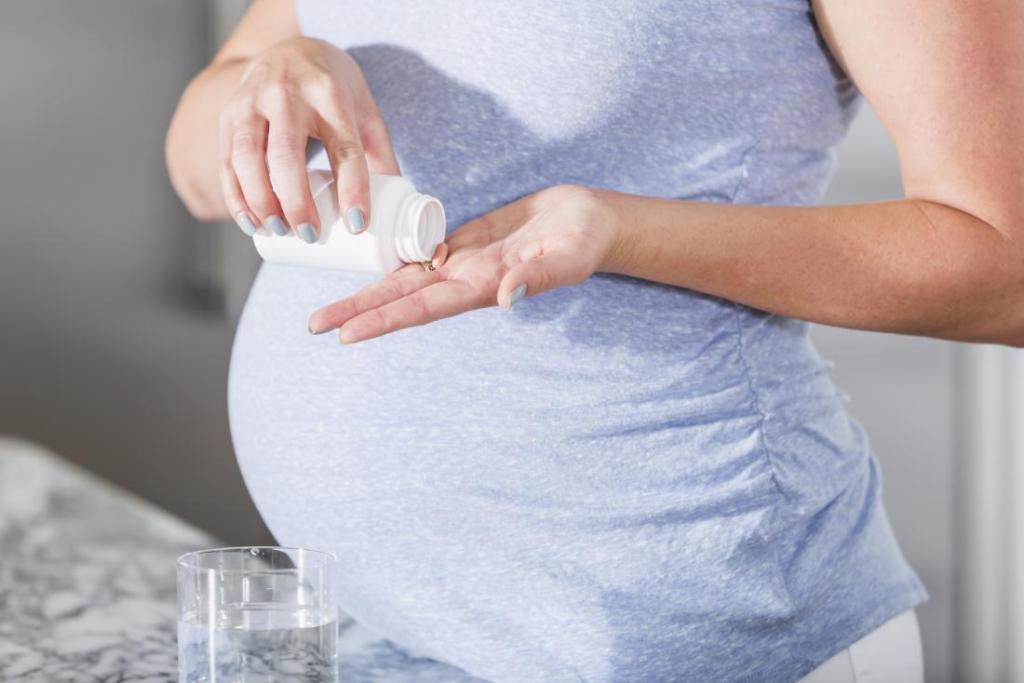
On the other hand,psychotropic medication is the other existing way for postpartum depression. However, this is concern whether psychotropic medication have potential effects for pregnant women and children. The recommended practice is conducting an individualized and careful risk-benefit analysis for each female patients whether psychotropic medication is suitable for them. So it is important to assess the impact of prescribing antidepressant medication for every patient who has postpartum depression. From Antonuccio DO’s research, it showed that psychotherapy is equally effective to medication in the clinical practice(Perfetti J et al., 2004). Moreover, Poyatos‐León’s research found that physical exercise during pregnancy and after childbirth is a safe way to achieve better psychological well-being and to reduce postpartum depression symptoms (Poyatos‐León et al., 2017). Therefore, if we integrate well with the psychotherapy and physical exercise, female patients would receive good treatment result.
From my experience, there does not have systematic independent clinics provide services for women who have postpartum depression, the reason is that we do not have professional special physiotherapist for postpartum depression at the moment. Therefore, it makes the outcome of clinical treatment is less than satisfactory. Overall, a trend is the rehabilitation medicine service in which something is developing over time, postpartum rehabilitation system would be more specialized. Hence, the development of childbirth care could be positive for the well-being of women, their infants and families.
Thank you very much for reading my blog, I am enjoying to writing about postpartum rehabilitation of my interests, meanwhile, I hope you could enjoy reading my blog. If you have any question, please feel free to leave your comments.
REFERENCE:
- Bagley, Anita & Foti, Theresa; Davids, Jon R.; Bagley, Anita, 2000. Abiomechanical analysis of gait during pregnancy. Journal of Bone and Joint Surgery, 82(5), pp.625–32.
- Shi-Qiong Li et al., 2017. Effect of pelvic floor rehabilitation technique in preventing the postpartum pelvic floor dysfunction. Journal of Hainan Medical University, 23(4), pp.129–132.
- Opala-Berdzik, A. et al., 2010. The Influence of Pregnancy on the Location of the Center of Gravity in Standing Position. Journal of Human Kinetics, 26(1), pp.5–11.
- Vermani, E., Mittal, R., & Weeks, A. (2010). Pelvic girdle pain and low back pain in pregnancy: a review. Pain Practice, 10(1), 60-71.
- Sabino, J., & Grauer, J. N. (2008). Pregnancy and low back pain. Current reviews in musculoskeletal medicine, 1(2), 137-141.
- Stapleton DB, MacLennan AH, Kristiansson P. The prevalence of recalled low back pain during and after pregnancy: a South Australian population survey. Aust N Z J Obstet Gynaecol. 2002;42(5):482–485. doi:10.1111/j.0004-8666.2002.00482.x
- Albert, H., Godskesen, M., & Westergaard, J. (2001). Prognosis in four syndromes of pregnancy‐related pelvic pain. Acta obstetricia et gynecologica Scandinavica, 80(6), 505-510.
- Mørkved, S., & Bø, K. (2014). Effect of pelvic floor muscle training during pregnancy and after childbirth on prevention and treatment of urinary incontinence: a systematic review. Br J Sports Med, 48(4), 299-310.
- Mogren, I. M. (2006). BMI, pain and hyper-mobility are determinants of long-term outcome for women with low back pain and pelvic pain during pregnancy. European spine journal, 15(7), 1093-1102.
- Franke H, Franke JD, Belz S, Fryer G. Osteopathic manipulative treatment for low back and pelvic girdle pain during and after pregnancy: A systematic review and meta-analysis. J Bodyw Mov Ther. 2017;21(4):752–762. doi:10.1016/j.jbmt.2017.05.014.
- Licciardone, J. C., Stoll, S. T., Fulda, K. G., Russo, D. P., Siu, J., Winn, W., & Swift Jr, J. (2003). Osteopathic manipulative treatment for chronic low back pain: a randomized controlled trial. Spine, 28(13), 1355-1362.
- Elden, H., Ladfors, L., Olsen, M. F., Ostgaard, H. C., & Hagberg, H. (2005). Effects of acupuncture and stabilising exercises as adjunct to standard treatment in pregnant women with pelvic girdle pain: randomised single blind controlled trial. Bmj, 330(7494), 761.
- Nilsson‐Wikmar, L., Pilo, C., Pahlbäck, M., & Harms‐Ringdahl, K. (2003). Perceived pain and self‐estimated activity limitations in women with back pain post‐partum. Physiotherapy Research International, 8(1), 23-35.
- Huskisson EC. Measurement of pain. Lancet 1974; 2:1127–1131.
- Milsom I, Altman D, Lapitan MC, et al. Epidemiology of urinary (UI) and faecal incontinence(FI) and pelvic organ prolapse (POP). In: Abrams P, Cardozo L, Khoury S,Wein A. Incontinence 4th International Consultation on Incontinence. Committee 1.Birmingham, UK:Health Publication Ltd, 2009:35–111.
- Dumoulin, C., Hay‐Smith, J., Habée‐Séguin, G. M., & Mercier, J. (2015). Pelvic floor muscle training versus no treatment, or inactive control treatments, for urinary incontinence in women: a short version Cochrane systematic review with meta‐analysis. Neurourology and urodynamics, 34(4), 300-308.
- Swift, S. E. (2000). The distribution of pelvic organ support in a population of female subjects seen for routine gynecologic health care. American journal of obstetrics and gynecology, 183(2), 277-285.
- DeLancey JO, Kearney R, Chou Q, et al. The appearance of levator ani muscle abnormalities in magnetic resonance images after vaginal delivery. Obstet Gynecol2003;101:46–53.
- Lee, H. N., Lee, S. Y., Lee, Y. S., Han, J. Y., Choo, M. S., & Lee, K. S. (2013). Pelvic floor muscle training using an extracorporeal biofeedback device for female stress urinary incontinence. International urogynecology journal, 24(5), 831-838.
- Yun JM, Kim SJ, Lee KS (2000). The effect of pelvic floor muscle training with biofeedback and functional electrical stimulation for genuine stress urinary incontinence. Korean J Urol 41:627–632.
- O’Sullivan, P. B., Caneiro, J. P., O’Keeffe, M., Smith, A., Dankaerts, W., Fersum, K., & O’Sullivan, K. (2018). Cognitive functional therapy: an integrated behavioral approach for the targeted management of disabling low back pain. Physical therapy, 98(5), 408-423.
- Depression, C. P. (2004). Can postpartum depression be predicted?. Primary Psychiatry, 11(3), 42-47.
- Beck, C. T. (2001). Predictors of postpartum depression: an update. Nursing research, 50(5), 275-285.
- Appleby, L., Warner, R., Whitton, A., & Faragher, B. (1997). A controlled study of fluoxetine and cognitive-behavioural counselling in the treatment of postnatal depression. Bmj, 314(7085), 932.
- Mogren, I. M. (2007). Does caesarean section negatively influence the post-partum prognosis of low back pain and pelvic pain during pregnancy?. European Spine Journal, 16(1), 115-121.
- Almeida, E. C. S., Nogueira, A. A., Candido dos Reis, F. J., & Rosa e Silva, J. C. (2002). Cesarean section as a cause of chronic pelvic pain. International Journal of Gynecology & Obstetrics, 79(2), 101-104.
- Wijma, J., Potters, A. E. W., Tinga, D. J., & Aarnoudse, J. G. (2008). The diagnostic strength of the 24-h pad test for self-reported symptoms of urinary incontinence in pregnancy and after childbirth. International Urogynecology Journal, 19(4), 525-530.
- Mens, J. M., Damen, L., Snijders, C. J., & Stam, H. J. (2006). The mechanical effect of a pelvic belt in patients with pregnancy-related pelvic pain. Clinical biomechanics, 21(2), 122-127.
- Bertotto, A., Schvartzman, R., Uchôa, S., & Wender, M. C. O. (2017). Effect of electromyographic biofeedback as an add‐on to pelvic floor muscle exercises on neuromuscular outcomes and quality of life in postmenopausal women with stress urinary incontinence: A randomized controlled trial. Neurourology and urodynamics, 36(8), 2142-2147.
- Hopkins, J., Marcus, M., & Campbell, S. B. (1984). Postpartum depression: a critical review. Psychological bulletin, 95(3), 498.
- Brummelte S, Galea LA. Postpartum depression: Etiology, treatment and consequences for maternal care. Horm Behav. 2016;77:153–166. doi:10.1016/j.yhbeh.2015.08.008.
- Perfetti J, Clark R, Fillmore CM. Postpartum depression: identification, screening, and treatment. WMJ. 2004;103(6):56–63.
- Darcy, J. M., Grzywacz, J. G., Stephens, R. L., Leng, I., Clinch, C. R., & Arcury, T. A. (2011). Maternal depressive symptomatology: 16-month follow-up of infant and maternal health-related quality of life. J Am Board Fam Med, 24(3), 249-257.
- Harris, B., Huckle, P., Thomas, R., Johns, S., & Fung, H. (1989). The use of rating scales to identify post-natal depression. The British Journal of Psychiatry, 154(6), 813-817.
- Clark, R., Tluczek, A., & Wenzel, A. (2003). Psychotherapy for postpartum depression: a preliminary report. American Journal of Orthopsychiatry, 73(4), 441-454.
- Poyatos‐León, R., García‐Hermoso, A., Sanabria‐Martínez, G., Álvarez‐Bueno, C., Cavero‐Redondo, I., & Martínez‐Vizcaíno, V. (2017). Effects of exercise‐based interventions on postpartum depression: A meta‐analysis of randomized controlled trials. Birth, 44(3), 200-208.
 TAKE CARE MUMMY'S HEALTH
2 replies on “Help you be happy!”
Thanks to the author for introducing me the knowledge about PPD, it aware me how important to pay warm attention to my family. May the happiness be with you guys all.
赞赞
thank you very much, mummy’s health is a important problem that we should not ignore!
赞赞